

Gas Fired Patio Heaters
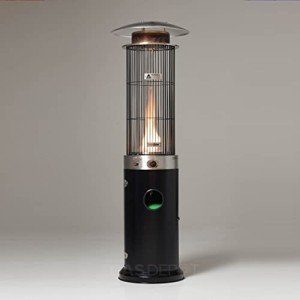
Gas fired patio heaters are becoming increasingly popular for commercial and residential outdoor areas. These units are usually free-standing and feature a reflector dome or shield to direct radiant warmth down.
These models usually connect to natural gas lines, eliminating the necessity of propane tanks and reducing the cost of running. However they are not as portable than propane models and are susceptible to damage by strong winds.
Efficiency
Patio heaters have a reputation for extending outdoor dining areas into the cold months, however, they also pose an fire risk if employed in a safe manner. The Technical Standards & Safety Authority and the Ontario Association of Fire Chiefs warn that heaters for patios can cause fires or carbon monoxide poisoning and even death if not installed, operated or maintained properly. The good news is that there are easy steps you can take to reduce these hazards.
First, check the heater's ventilation. Propane and natural gas patio heaters release deadly carbon monoxide, so you should never use them indoors or in partially enclosed areas. Don't store tanks of propane in a closed space. Propane tanks are designed to be used for a certain period of time and, if kept for long periods, they can lead to rust. If you don't intend to use your heater, make sure it is vented properly or you have an appropriate propane cover.
The efficiency of heat can also be affected by the kind of fuel used and the environment. These conditions are crucial, since windy weather can disperse heat and lower temperatures require additional energy to maintain warmth.
Another aspect to consider is the design of the patio heater. This will affect its ability to heat and the power it generates. Freestanding models are typically less efficient than mounted versions. Certain models are equipped with reflectors to help increase the heat output and increase efficiency.
It's also crucial to test their power output prior to use them. This will ensure that they are able to provide enough heat for your area and that you don't waste either electricity or gas. For instance, you might require a greater output of British Thermal Units (BTUs) when your patio is huge or you want to warm up an outdoor gathering.
Gas patio heaters are a popular option for bars, restaurants, and hotels. These heaters can be powered by liquid propane or natural gas and can be plugged into regular electrical outlets. They are usually more efficient than electric patio heaters for larger spaces, as they are easily operated via remote control or by a timer. They are also more attractive than other kinds of commercial heaters and are ideal for spaces that require a contemporary elegant look.
Safety
Whether used at your home or in the outdoor dining areas of restaurants, gas-fired patio heaters provide comfort that can enhance the enjoyment of cooler climates. However, they must be maintained and properly used to avoid injuries or fire hazards. Before using, make sure your heater is UL or Canadian Standards Association (CSA) listed and has an ignition failure device which shuts off the gas flow in the event that a burner tips over for any reason.
It's important to also take note of the directions and cautions of the manufacturer, particularly those pertaining to the use of fuel. A fire extinguisher needs to be stored in the event of an accident. It is recommended to have a extinguisher that is class B or C in accordance with the type of fuel your heater uses and also an empty water bucket.
Gas patio heaters are typically freestanding and should be kept at least just a few feet away from any combustible material like tent walls, gazebos or tablecloths. Also, ensure they're not placed within the path of an exit or in close proximity to any mechanical air intakes of structures.
In addition, as the heaters are typically placed at higher elevations to spread heat across a large area, they can be top heavy and susceptible to falling over or tumbling. It's best that you secure them using sandbags or water weights.
To avoid burns To avoid burns, keep pets and children at least three feet away from heaters. Never leave them unattended, or turn them off if you are not nearby. If you're using natural gas heaters be sure to only use ones that are approved by the local plumbing inspector, and ensure that they're in good working state.
Depending on the fuel source gas patio heaters can also be affected by wind. A strong wind can cause the propane cylinder to blow away or cause a fire to go out if it's a model with a propane cylinder. Propane or natural gas models that have an attached hose have to be connected to a permanent line and installed outdoors to reduce the risk for explosion or fire.
Comfort
Patio heaters come in many styles and powered by a variety of fuel sources. The ideal one for your home will depend on the dimensions of the space you want to heat and the power source you have available, and your preferences regarding appearance and control.
Gas-powered patio heating units can warm up a space more than other types of. Thomas Bonfiglio is the CEO and founder at Triple T Hospitality. He states that this is one of the many reasons why the restaurants in New York and New Jersey employ pyramid-top and dome-top patio heaters. "The high heat output enables us to keep our diners warm while they relax outdoors in the winter months," he explains.
Another factor to consider is the energy efficiency of a gas-powered heater. A heater with more BTU rating is likely to be able to heat a room faster and more effectively than one that has an inferior BTU rating. Multiplying the square footage of the outdoor space by 20 will give you the amount of BTUs required to warm it.
In terms of power sources propane-powered heaters are the most popular option for homeowners. They are portable and utilize standard 20-pound propane tanks (like the ones used to fuel your grill) which can be purchased at most hardware stores. But propane-powered models tend to consume more electricity, which makes them less green than other fuel options.
Electric-powered heaters, on contrary, require an outlet that is plugged into a standard power outlet to operate. They're also safer than their propane-powered counterparts because they don't release harmful fumes and do not ignite like gas patio heaters do. However electric patio heaters aren't as hot as some of the other options and are limited in the they can provide heat.
Natural gas-powered heaters on the other on the other hand, are a great option for those who wish to connect their patio heaters to an existing natural gas line. They require professional installation and may be more expensive to operate than other types of patio heaters. Natural gas heaters are the quickest and most reliable of all three options. This may justify the additional cost.
Versatility
There are a myriad of choices when it comes to outdoor heating using propane. patio heater gas flame doesn't matter whether you select a freestanding patio heater, firepit, or restaurant-style overhead unit. The key is to adhere to the basic safety guidelines. These rules can be tricky to master, especially when you're dealing with a burning flame or hot ashes which can remain hot for two full days. With the right knowledge, however, you can make sure you are making use of your propane patio heating system properly and efficiently.
Gas patio heaters are a great way to heat large areas, which can be up to 20 square meters. Gas patio heaters can be controlled by remote control or timer, or even natural gas. They typically also require a minimum of 25% of the space open to allow for regular airflow and to prevent carbon monoxide build-up which could cause fatalities when not properly ventilated.
Gas patio heaters, apart from the requirement to ventilate the space they are typically very easy to manage and maintain. They can be erected permanently in areas exposed to the elements, or placed into flat roofs. They are typically fitted with an anti-tilt switch that shuts the unit off when it senses that the unit is no longer upright.
Patio heaters that burn wood however, are more difficult to operate and can be dangerous when not properly used. The main problem with these kinds of heaters is that they require to be constantly filled with fuel, and the ash and ash produced must be disposed of regularly in a secure location. They are also difficult to ignite and produce sparks that could ignite or injury.
Safety should be a top priority when it comes time to maintain and use your outdoor heater. Keep a nearby fire extinguisher and remind your children to stay away from heaters. Don't ignore the odd smells or changes in temperature that could indicate an odor of gas. Natural and propane gas contain mercaptan, which can cause a foul odor if they leak.